Stackjet
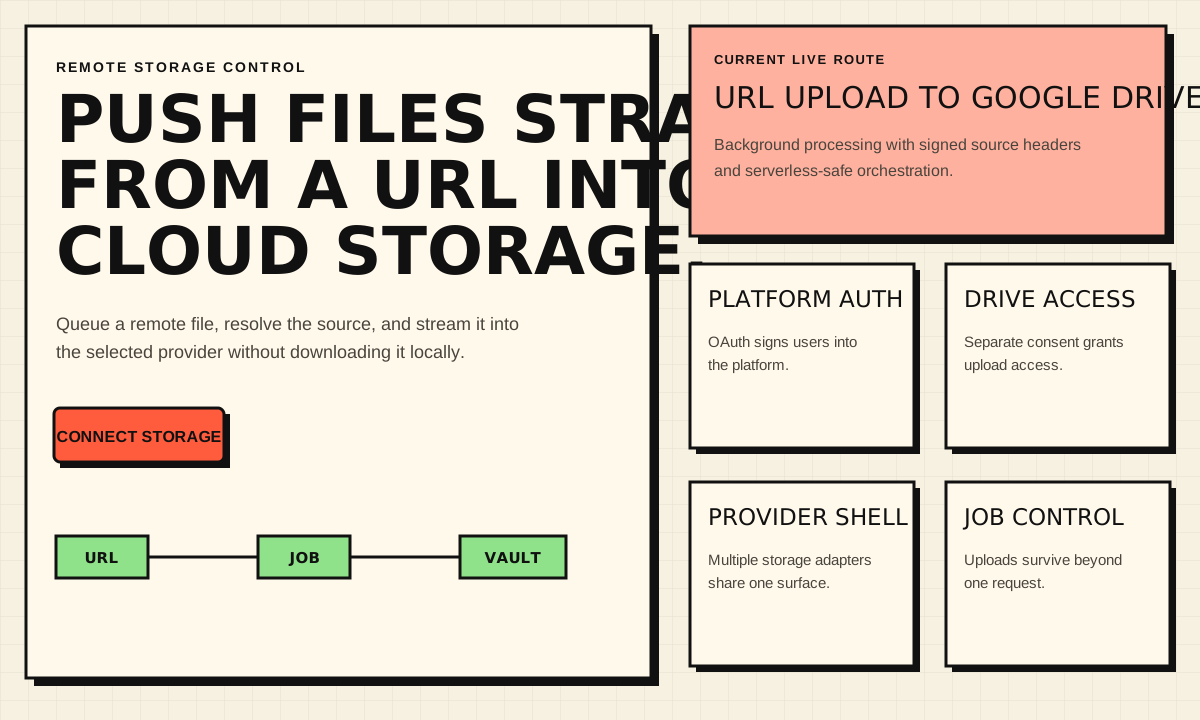
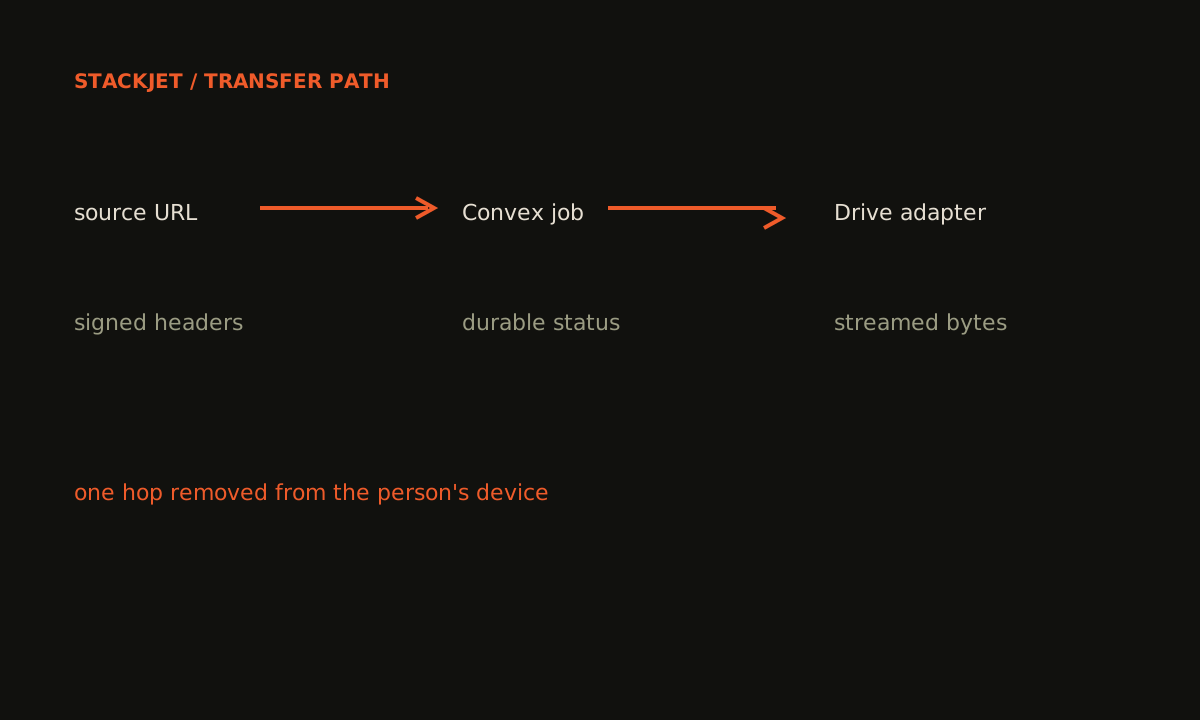
A remote file URL travels directly into cloud storage without using the person's device as a temporary warehouse.
Read the build from several angles.
Authentic screens, terminal output, and architecture plates are kept together so the page shows the shape of the work without inflating the claim.
WEB ↔ CLOUD ↔ TOOLING
What exists.
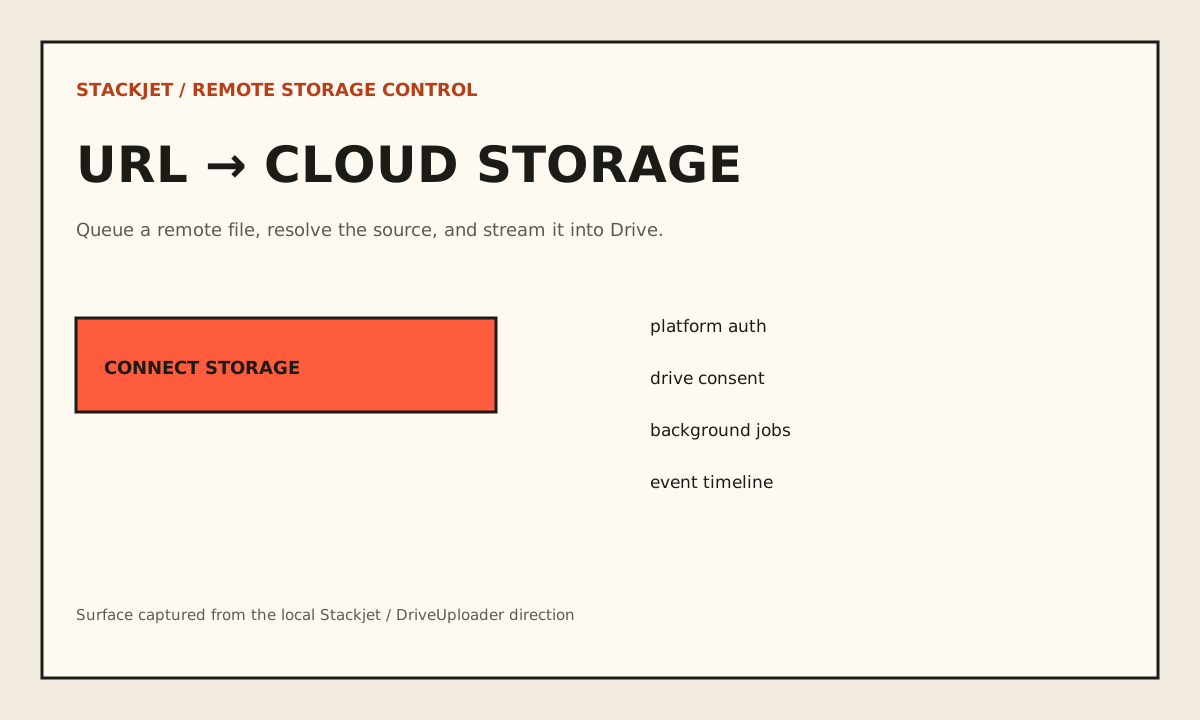
Stackjet evolves the original DriveUploader idea into a storage-operations platform. Its first live workflow authorizes Google Drive and orchestrates remote URL uploads with an inspectable event timeline.
Where it resisted.
The normal download-then-upload flow wastes local storage, bandwidth, time, and battery—especially on a constrained device.
What I changed.
I built separate platform and Drive authorization, encrypted refresh-token storage, Convex-backed jobs, direct file streaming, and support for signed or authenticated sources.
The obvious implementation was not the product.
Stream from source to destination and persist job state rather than turning the browser into the transfer engine.
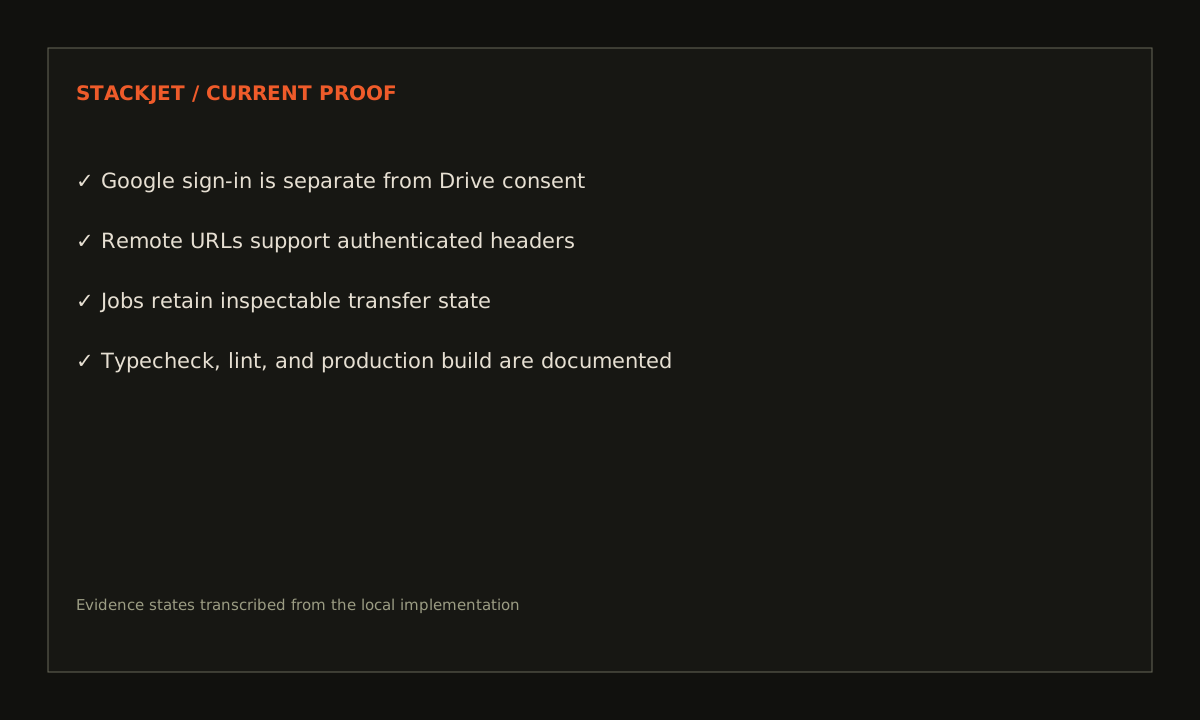
Current proof
03- Google sign-in and a separate Drive consent flow are implemented.
- Remote URL uploads support direct files and authenticated headers.
- Type checking, lint, and production build pass in the current project.
What this build changed.
Removing one unnecessary hop can reshape an entire product architecture and make the result more useful on mobile hardware.