Kaizen Code
A mobile workspace where coding agents can understand projects, propose changes, and work through a native runtime.
Read the build from several angles.
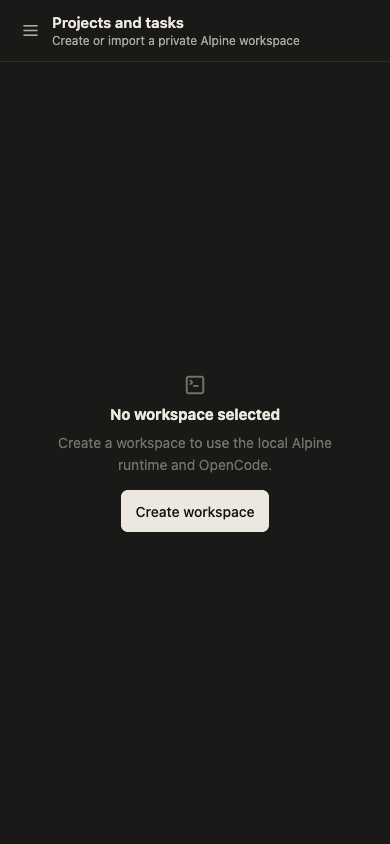
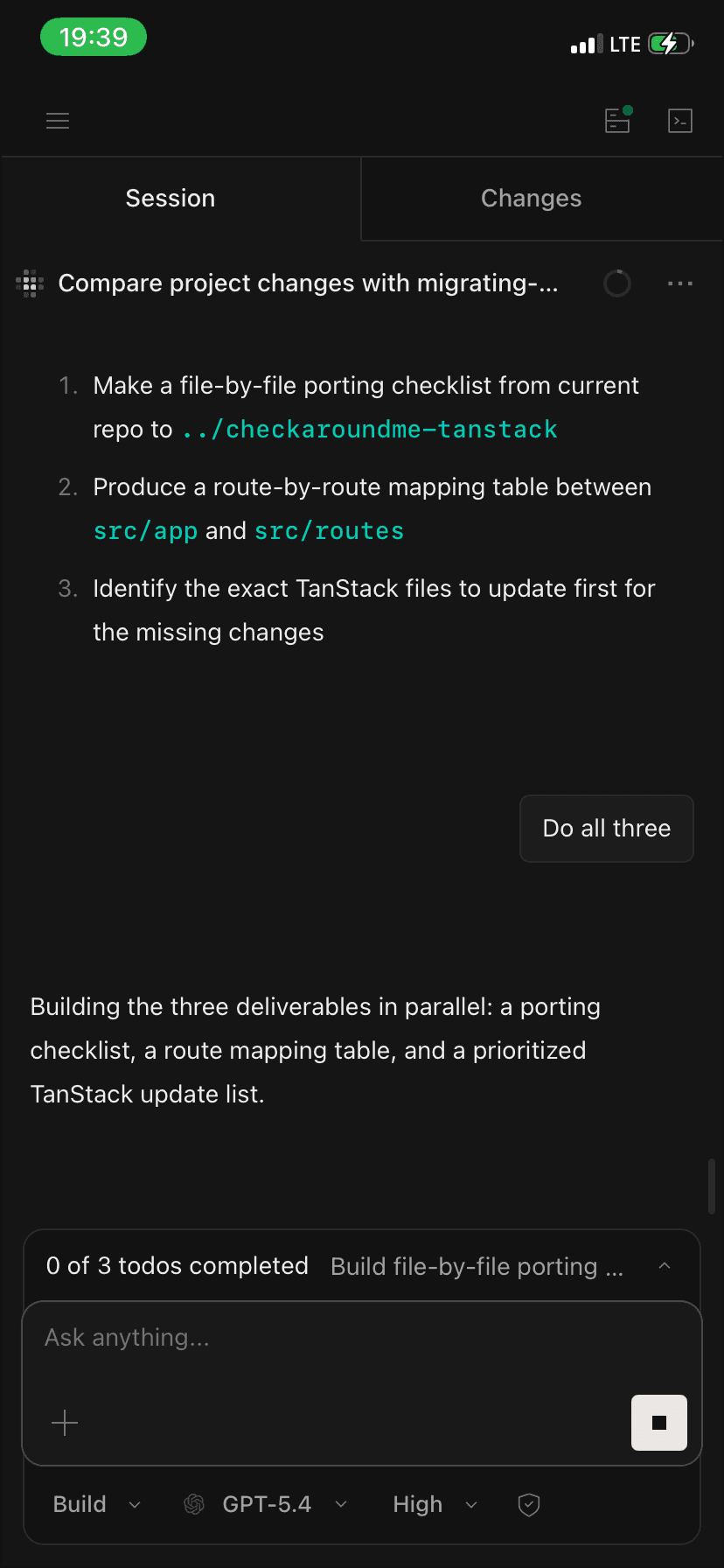
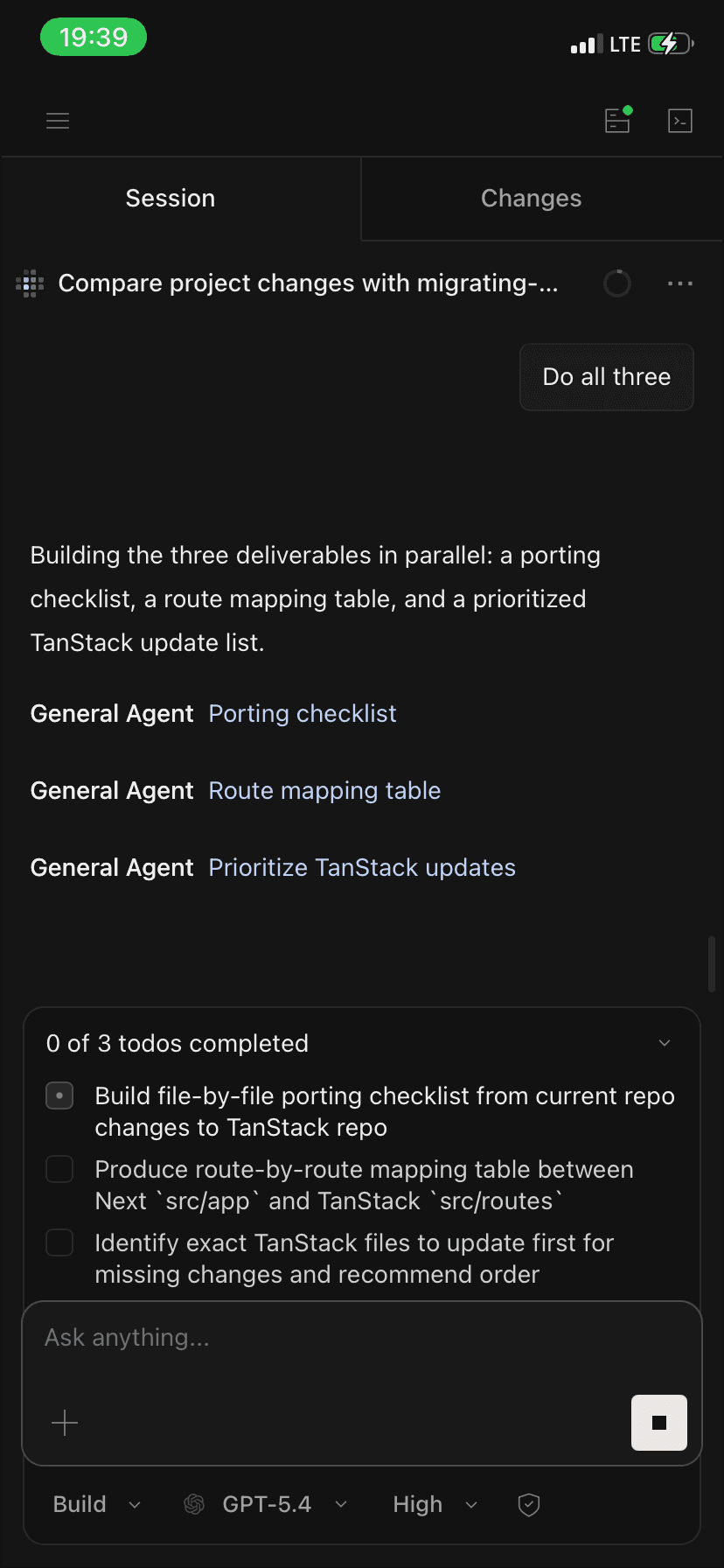
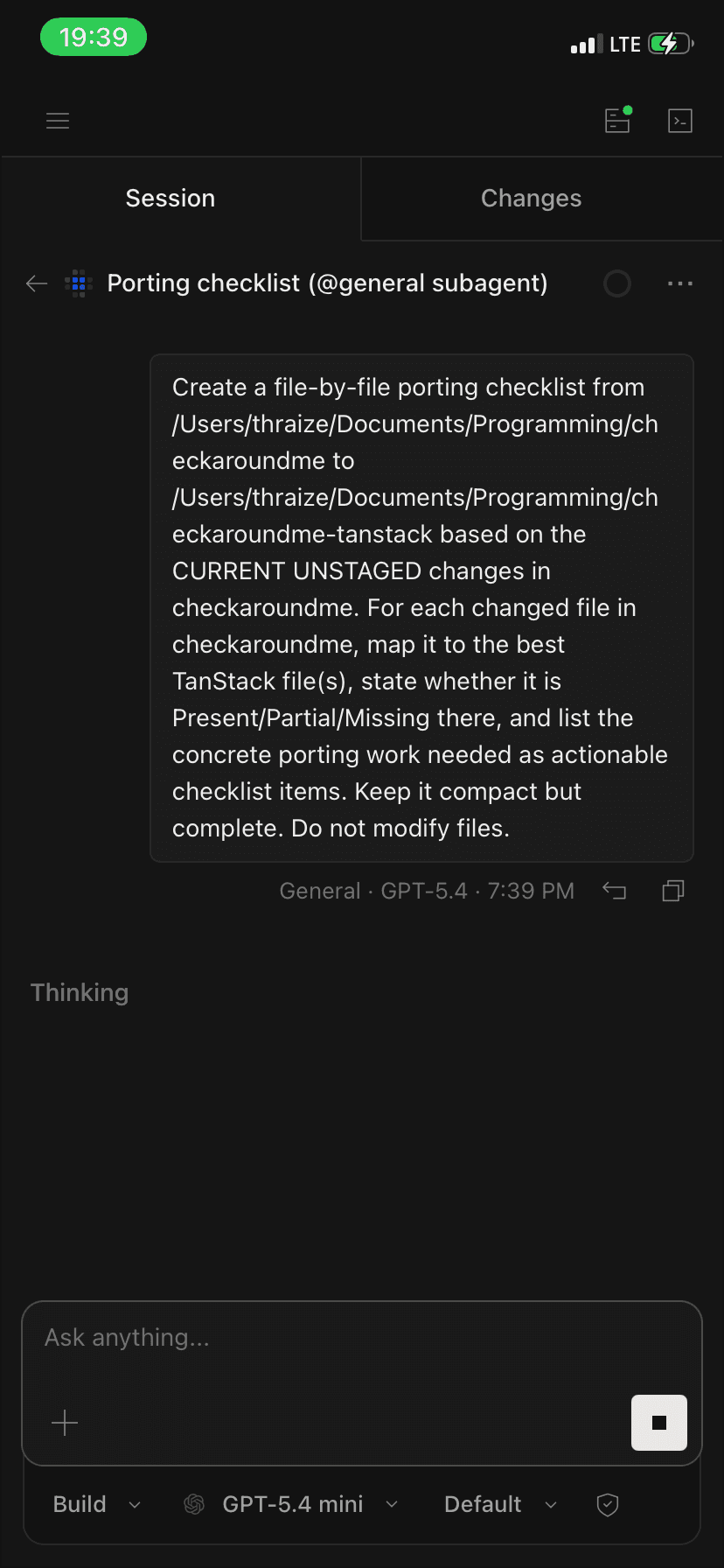
Authentic screens, terminal output, and architecture plates are kept together so the page shows the shape of the work without inflating the claim.
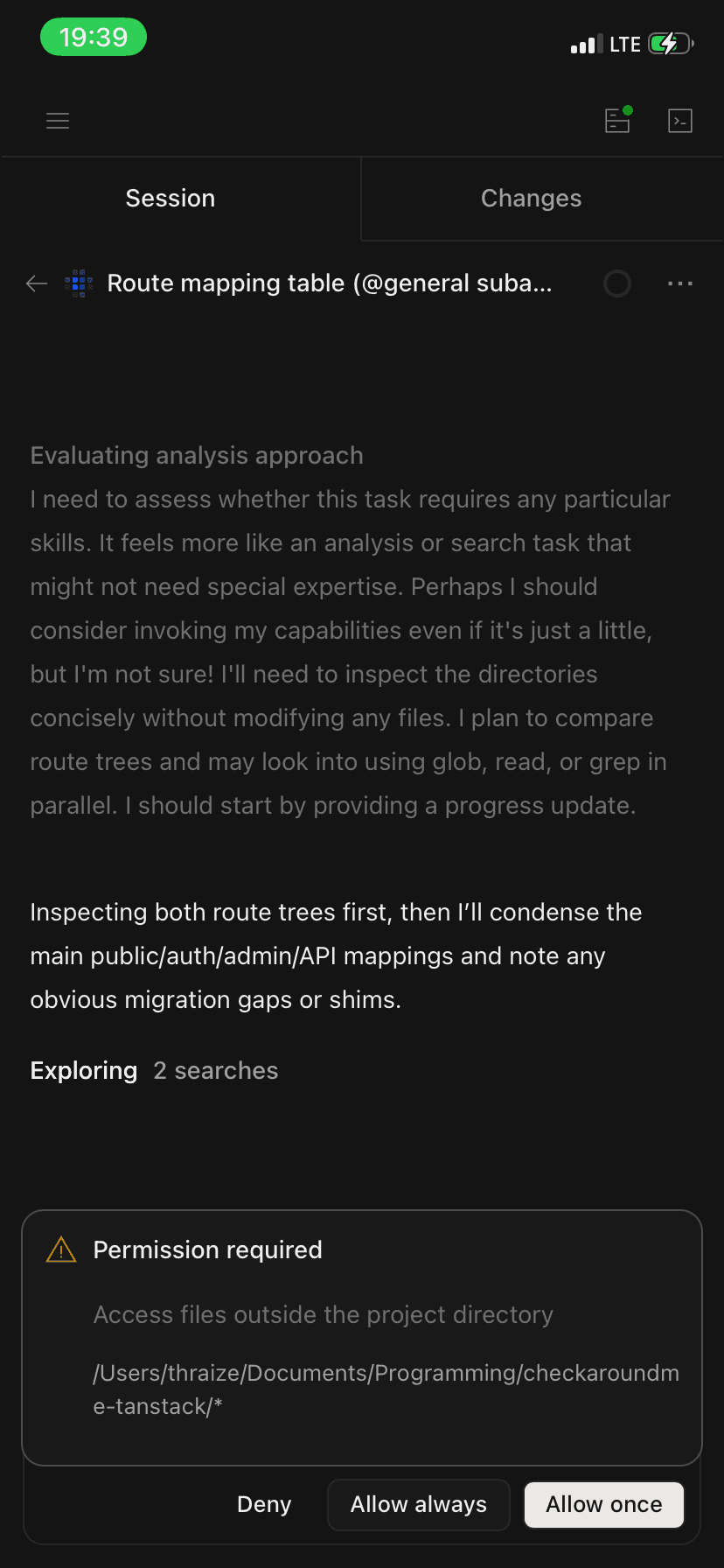
MOBILE ↔ AI ↔ NATIVE ↔ TOOLING
What exists.
Kaizen Code challenges the assumption that serious AI-assisted development requires a desktop. It is a task-oriented mobile workspace with agent conversations, diffs, permission controls, project context, external file handoff, and an Alpine terminal surface.
Where it resisted.
A useful mobile development product needs more than a small editor. The agent, filesystem, terminal, permissions, runtime lifecycle, and host operating system all need explicit contracts.
What I changed.
I designed the product around project-level tasks and host-enforced Ask, Approve, and Full permissions, then connected the WebView surface to a native AlpineRuntime bridge for sessions, commands, agent installation, and external handoff.
The obvious implementation was not the product.
Kaizen Code does not embed a traditional text editor. It presents highlighted previews and diffs, then hands files to Acode or the operating system while the product concentrates on the wider agent workflow.
Current proof
03- Android app-UID guest runtime executed a real command successfully.
- Web, Android, and iOS application targets build from one Capacitor product surface.
- The iOS bridge refuses to pretend the guest runtime works before its reviewed RuntimeCore is linked.
What this build changed.
A mobile-first tool becomes clearer when it stops copying the desktop and gives the host explicit authority over every agent capability.
The implementation surface.
Proof should be inspectable.
A public repository or live build is not linked yet. The status above states exactly what has been verified.